Light changes how we read built and movable heritage. Under the theme “Patrimoine en lumières” the 2026 edition highlights the role of lighting and perception in conservation and presentation of heritage objects and spaces.
Dates and venue for Salon du Patrimoine Culturel 2026
The event runs from 29 October to 1 November 2026 at the Carrousel du Louvre in central Paris. The program spans four days aimed at restorers, craft workshops, prescribers and heritage managers.
2026 theme and technical focus
“Patrimoine en lumières” places emphasis on the intersection of creation, technique and transmission of skills. Exhibitors include lighting designers, glass masters, bronze workers and specialist workshops that illustrate how light reveals materials, defines volumes and enhances contemporary staging of historic objects and buildings.
Exhibitor profile and represented sectors
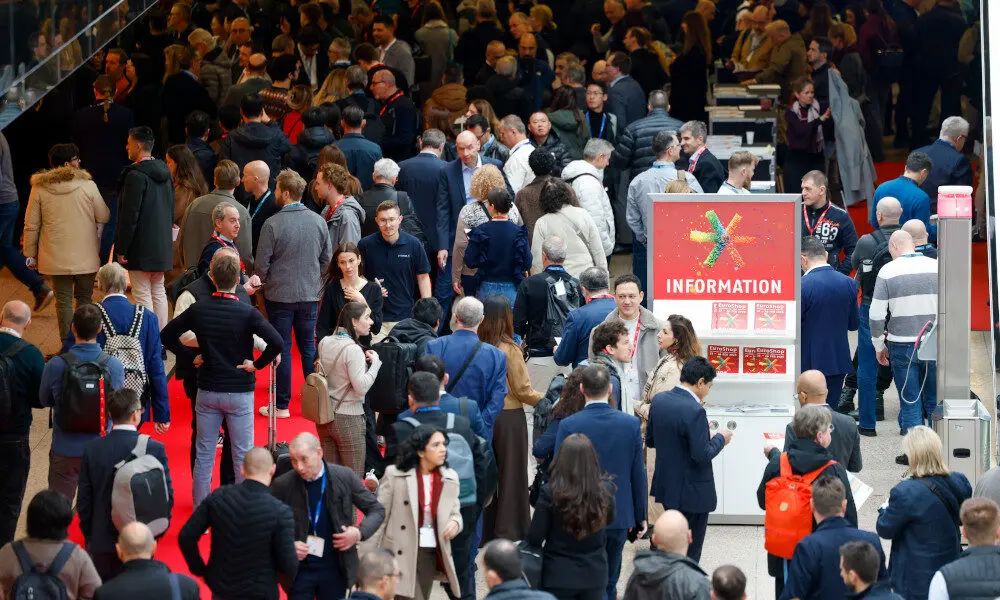
The Salon brings together more than 300 exhibitors covering restoration trades, heritage workshops, suppliers of traditional materials and lighting solutions adapted to heritage. The event showcases over 40 professions linked to conservation and valorization, offering a concentrated view of the supply chain for cultural heritage projects.
Key figures
- Event dates 29 October to 1 November 2026.
- Venue Carrousel du Louvre, Paris.
- More than 300 exhibitors in 2026.
- Reference 2025 figures include 21,500 visitors and 335 exhibitors during the Art déco themed edition.
Practical tips for B2B prospecting at the Salon
Visitors include institutional buyers, property owners and technical prescribers. To approach them effectively adopt concrete measures:
- Build a technical portfolio. Provide intervention sheets with materials, methods and compliance notes that address restoration standards used by professionals.
- Use case studies. Supply clear before/after documentation in print and a shareable PDF for immediate follow-up after meetings.
- Focus on lighting demos. Given the 2026 theme, bring prototypes, photometric samples or small models that demonstrate performance in heritage settings.
- Map institutional stakeholders. The show is organised by Ateliers d’Art de France and gathers both professional and institutional actors. Identifying associations and key prescribers enables targeted meeting scheduling.
- Schedule and follow up. Pre-book meetings with priority buyers and set a concrete follow-up plan with responsibilities and timelines after the fair.
Program elements and training
The Salon includes conference sessions, live demonstrations of craft techniques and a training hub for métiers d’art. A spotlight on emerging talent titled “The talents of heritage” links companies with vocational training centres and potential recruits.
Closing note and official reference
For companies in construction and home decoration working with traditional materials, the Salon provides direct contact with technical prescribers and institutional purchasers. Arrive prepared with technical dossiers and lighting demonstrations to increase conversion potential. See the exhibitor list and program details at the official site http://www.patrimoineculturel.com and plan meetings ahead of the Carrousel du Louvre event.