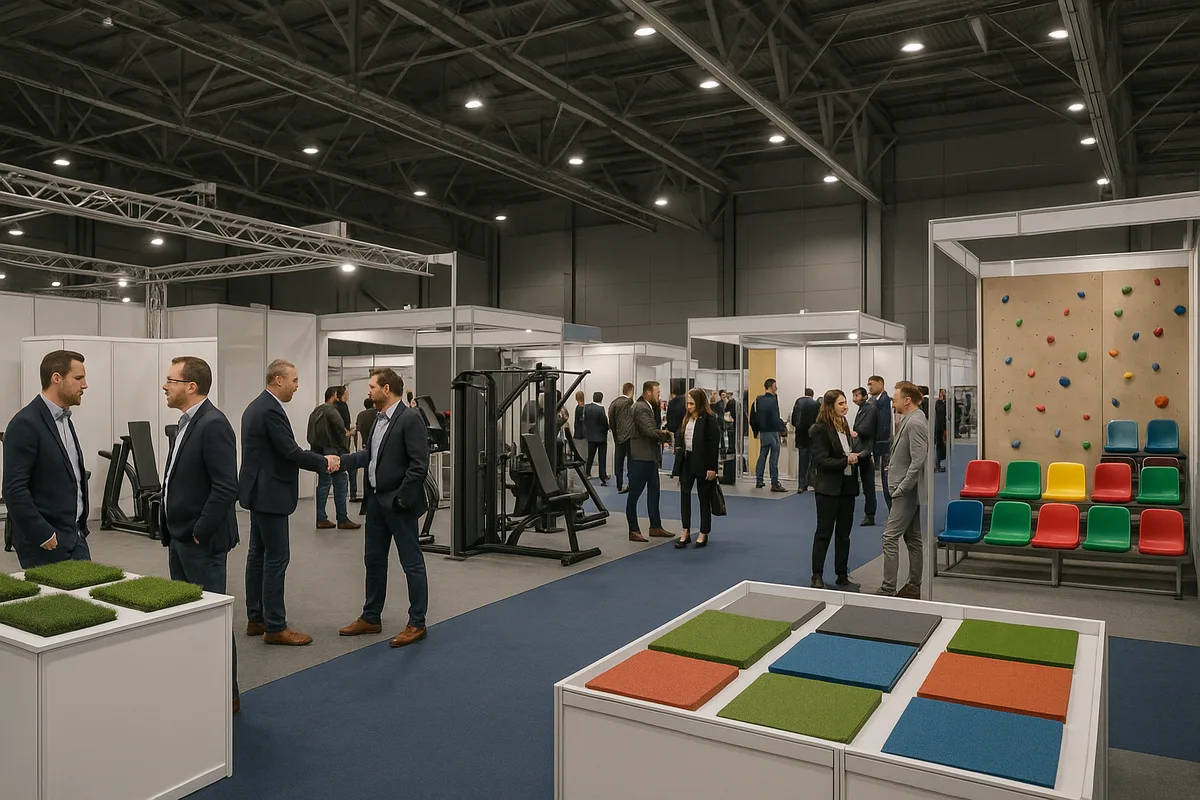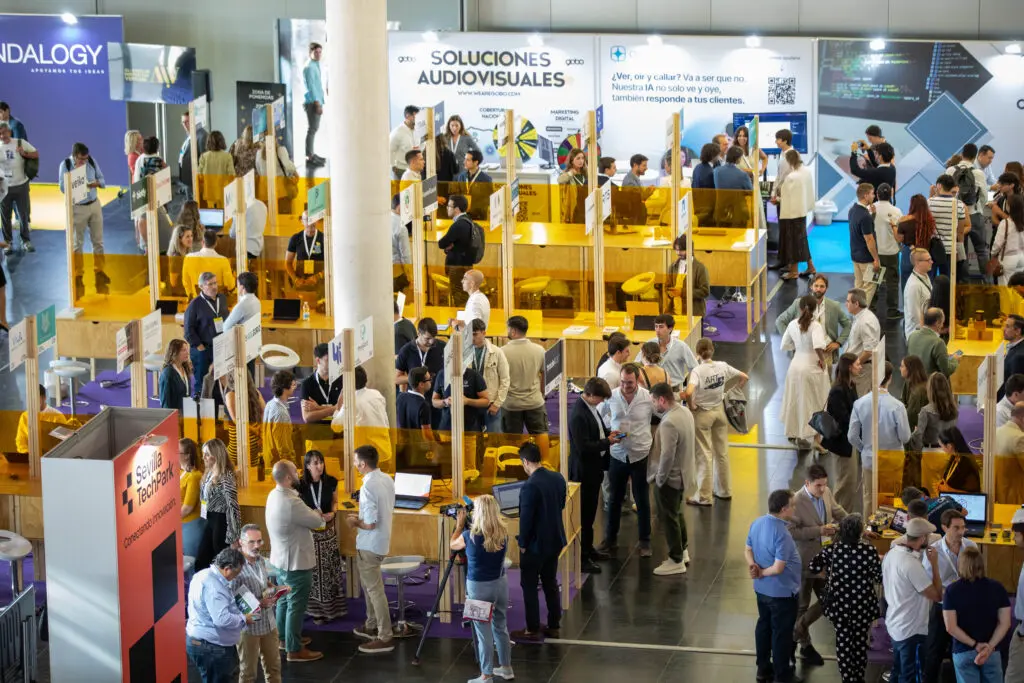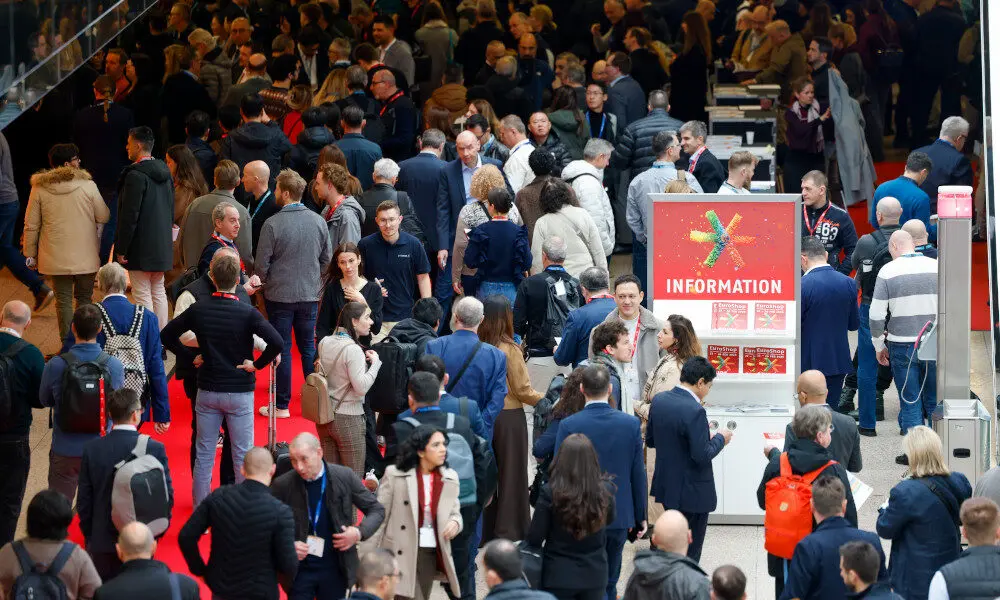
Education leaders face rapid shifts in classroom tools and methodologies. Didacta returns to gather providers, school leaders and training managers from 15 to 19 February 2028 at Exhibition Centre Cologne.
Didacta Köln 2028 brings together a broad offer of didactic materials, edtech and vocational training solutions. The fair compacts vendor evaluation into a concentrated visit, with demo areas and sector forums that streamline supplier selection.
Practical information and venue
Didacta Köln 2028 runs from 15 to 19 February 2028 at Exhibition Centre Cologne. The venue groups themed halls for early childhood, school education and vocational training. Public transport links and regional rail connections make access from central Cologne straightforward.
Key figures for the edition
The organizer lists 729 exhibitors and approximately 75,000 visitors. Exhibitors represent 58 countries and the program comprises around 2,000 activities including demonstrations and presentations. These figures show the breadth of commercial and technical options available on site.
Sectors and company profiles
The event covers three main segments: early childhood education, school and extracurricular education, and vocational training. Exhibitors include educational publishers, edtech developers, classroom furniture manufacturers and suppliers of assessment tools. Both established brands and emerging startups are present.
Program highlights
Didacta schedules targeted forums and stages for each educational area. Onsite action areas host initiatives such as RoboCup Germany, a Start-up Area and sector awards that showcase new solutions. Live sessions allow hands-on evaluation of products and direct technical comparisons.
B2B prospecting and networking tactics
Set objectives before you arrive. Use the exhibitor directory to shortlist 15 to 20 suppliers and arrange 20–30 minute meetings at their stands. Bring technical briefs and concrete use cases to speed decision making. Prioritize live demos to assess integration and compatibility with existing systems. Allocate time for the Start-up Area to spot scalable, cost-effective options.
What to prepare for your team
Assign roles: who evaluates tech partners, who reviews content, who assesses budget impact. Bring project samples and technical requirements to discuss timelines and implementation conditions. Schedule follow-up meetings after the fair to validate agreements and avoid decisions without field testing.
Documentation, ticketing and the full timetable are available at the official site http://www.didacta-koeln.de. Use that information to calibrate your schedule around demos and dedicated zones.
With a high number of suppliers and an intensive program, Didacta Köln 2028 is a practical setting to map solutions across educational segments. For teams focused on implementation, the priority should be live testing and technical checklists that allow quick, evidence-based comparisons.