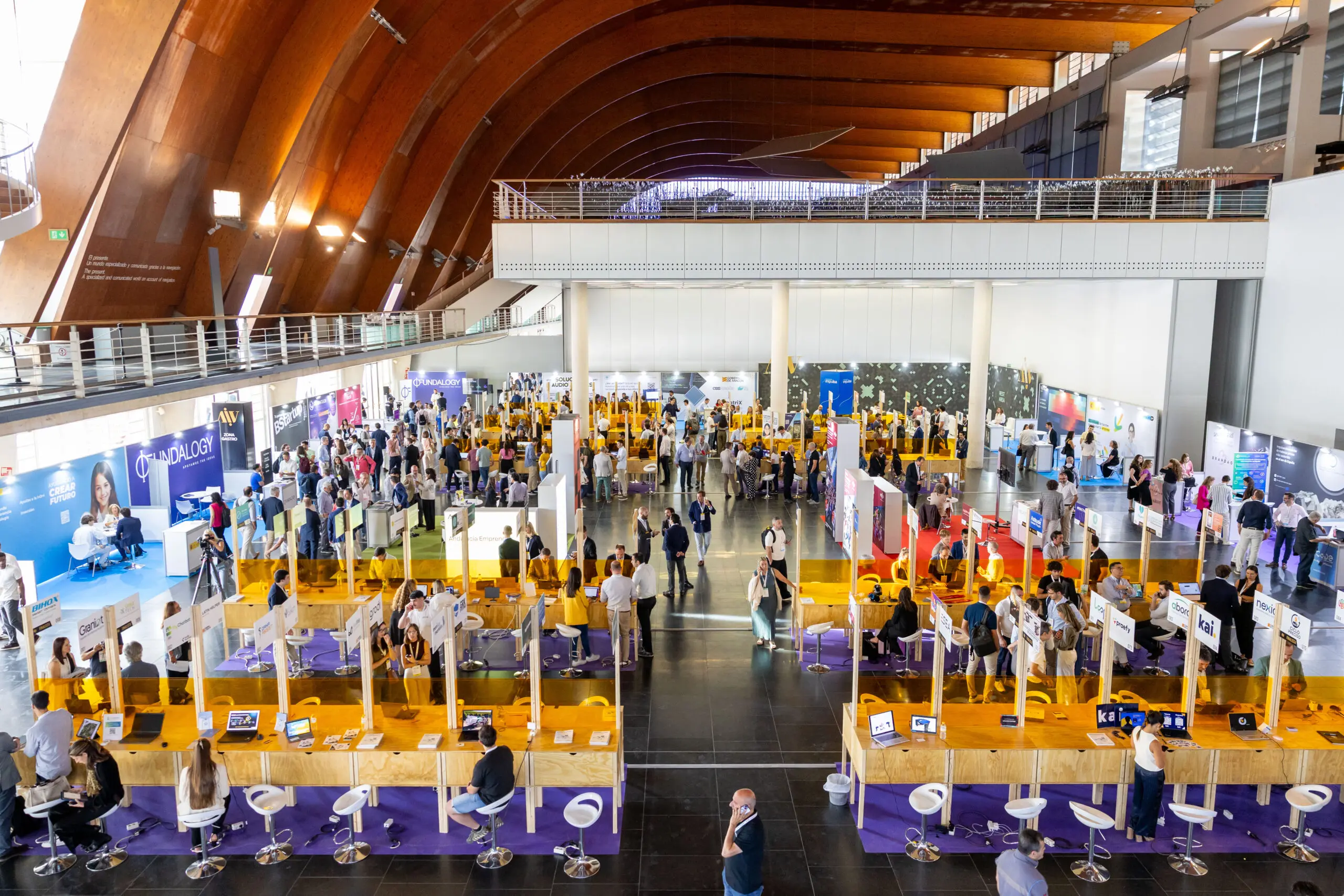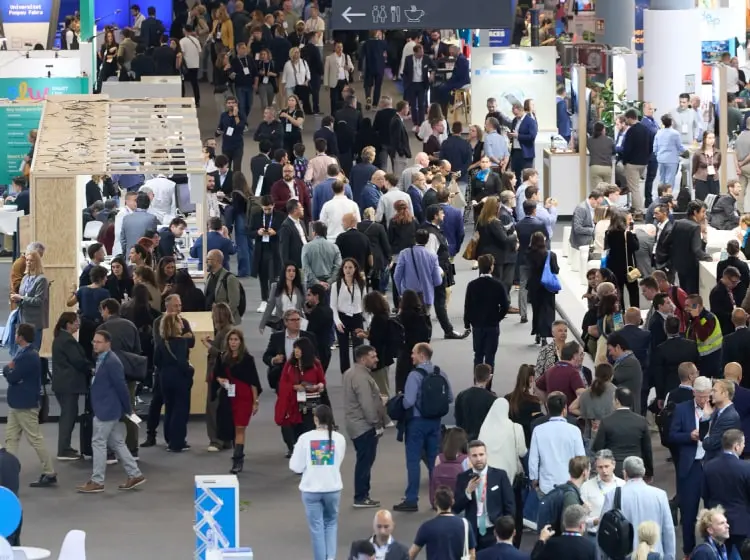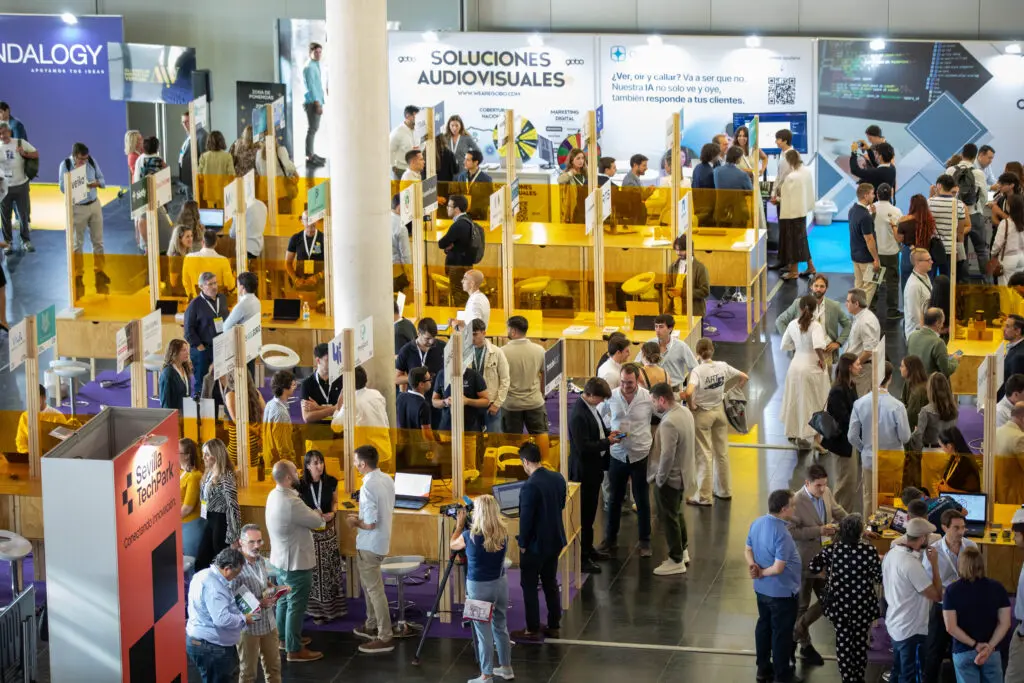
You have chosen the right event, you know which companies will be there, and you arrive with your agenda ready. Now begins the part that really decides the outcome, which is what you do during the show days. The best preparation is wasted if, on the ground, you just wait behind the stand for someone to come over.
Working an event well is mostly a matter of managing your time and your conversations. In this article we look at how to make the most of the stand, how to network beyond it, and how to capture every contact so the follow-up afterward does not start from scratch.
Your Time Is the Scarcest Resource
A trade show has few useful hours, and the stand, the scheduled meetings, the sessions, and the aisles all compete for them. Without a plan, time evaporates in courtesy conversations and aimless laps around the venue.
The basic rule is to split your time consciously across three fronts. The meetings you already have locked in are the priority, because they are the highest-value conversations. The stand is your base, but it should not absorb the whole day. And the venue, away from your stand, is where many of the best opportunities appear. Decide in advance how much time you give each front and stick to it.
How to Work the Stand
The stand is not a counter where you wait, it is a capture point that has to be worked actively.
- Do not wait for traffic, prompt it. An open posture and a simple question work better than sitting and staring at your phone. People walk past a stand that shows no activity.
- Qualify fast. Not everyone who comes over is a potential client. In the first seconds of conversation you can place whether that person fits, so you give them time proportional to their interest.
- Have a short, clear message. Anyone visiting a show passes dozens of stands. If they cannot understand what you do and for whom in one sentence, they keep walking.
- Rotate the team’s shifts. Nobody performs well after eight hours straight on their feet. Take turns so there is always someone fresh and attentive, not exhausted.
Networking Beyond the Stand
This is the part many teams neglect. The best conversations at a trade show almost never happen at your own stand.
- Go to the sessions. Content tracks gather people interested in a specific topic, which is a far better filter than random traffic. Whoever sits in a talk on your area is, by definition, a relevant profile.
- Make the most of informal moments. Breaks, meals, and networking events are where guards come down and conversations turn real. Arrive at those moments with a goal, not just for the coffee.
- Visit the stands that interest you. If you have identified target companies, go to their stand instead of waiting for them to pass by yours. Approaching with a specific reason opens doors that a cold message does not.
- Use the event app during the show days. Matchmaking stays active on the floor. Check who is present and propose last-minute meetings.
Capture Every Conversation on the Spot
A conversation you do not record is a conversation you will lose. On the third day you will not remember what the person from the first day told you, and all the contacts will end up looking the same.
Right after each chat, note who they are, what interested them, and the next step you agreed on. That context is what makes the follow-up effective. And it is the moment to start qualifying each lead, scoring their fit and interest while it is fresh, so you do not get back with a pile of unsorted cards.
Common Mistakes During the Event
| Mistake | What it causes |
|---|---|
| Always staying at the stand | You miss the networking, where many opportunities are |
| Treating all visitors equally | You spend the same time on a passerby as on a decision-maker |
| Not taking notes | The follow-up starts from scratch and contacts go cold |
| Filling the day with no gaps | With no margin, you cannot act on what comes up unexpectedly |
| Handing out brochures without talking | You pile up delivered material, not relationships |
Close the Event Loop
The show days are the center of a longer process. Before comes preparing the event with goals and scheduled meetings. After comes the email follow-up, which is where all the effort pays off. What you do on the ground is the hinge between the two. If you work the venue well and record every conversation, you reach the follow-up with an advantage.
At DataOrigin we help you reach those days with the best possible base, identifying in advance which companies at each event match your ideal customer profile. That way, during the show, you spend your time on the conversations that matter instead of figuring out who to look for on the fly.
Explore our event directory or contact us and find out how to get the most out of your next trade show.