Every time a company gathers its sales team off-site, rewards its top performers with a trip, organizes a conference for its industry, or sets up a stand at a trade show, it is taking part in the MICE sector. It is one of the largest segments of the events industry and, at the same time, one of the least recognized by name.
At DataOrigin we work every day with companies that attend these kinds of events to find clients and partners. That gives us a close view of how MICE works and what makes it so valuable for B2B businesses. This guide explains what the MICE sector is, what the acronym stands for, and how to make the most of each type of event strategically.
What the MICE Sector Is
MICE is the name given to the segment of tourism and events focused on business travel and professional gatherings. It covers all the activity that moves professionals away from their usual workplace for a corporate purpose, whether that is training, negotiating, selling, rewarding a team, or presenting a product.
Unlike leisure tourism, MICE follows a business agenda. Companies decide who attends, budgets are higher, and the season depends on the industry calendar rather than on holidays. This makes MICE a very stable, high-value activity that sustains hotels, congress centers, exhibition venues, agencies, and a long list of specialized suppliers.
For a company that sells to other companies, the MICE sector is more than a chapter of tourism. It is where potential clients gather in the same space, at a moment when they are open to doing business.
What the MICE Acronym Stands For
MICE brings together the four main types of professional events. Each letter follows a different logic and pursues a different goal.
| Letter | Meaning | Main objective |
|---|---|---|
| Meetings | Meetings | Align teams, make decisions, train |
| Incentives | Incentives | Reward and motivate people or teams |
| Conventions | Conventions and conferences | Bring an industry together around content and debate |
| Exhibitions | Exhibitions and trade shows | Showcase products and generate commercial contacts |
Meetings
These are professional gatherings on a smaller scale, though no less important for it. They include team meetings, working sessions, training, internal launches, and meetings between companies. They tend to be closed events, with a limited number of attendees and a very specific goal. The key here is productivity. Every meeting exists to reach a result, whether that is closing a deal, aligning a team, or sharing knowledge.
Incentives
These are the trips and experiences a company uses to reward its employees, distributors, or clients for hitting a target. They combine motivation and tourism, and aim to strengthen the relationship and commitment to the brand. Although they have an obvious leisure component, their purpose is business. A good incentive program improves talent retention and reinforces the loyalty of the commercial network.
Conventions
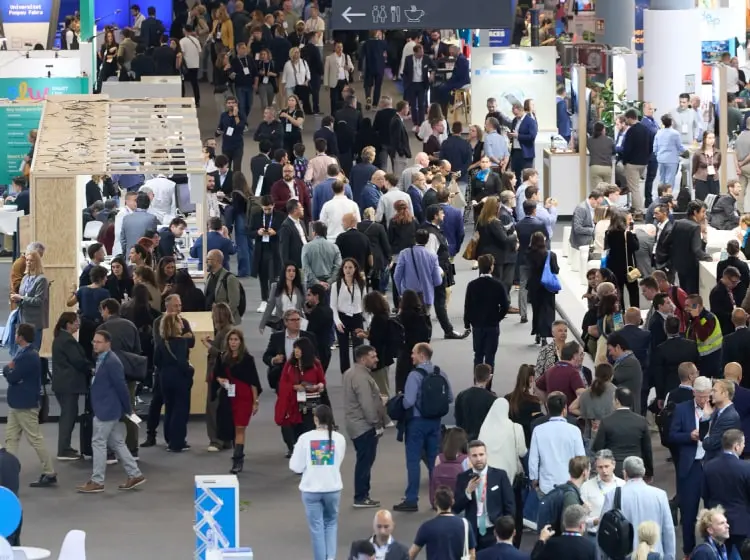
These are the large gatherings that bring a professional industry together around a content program. This is where congresses, conventions, summits, and conferences belong. The focus is on knowledge, debate, and high-level networking. For many companies, these events are the best opportunity of the year to position themselves as leaders, learn about market trends, and meet decision-makers who would be hard to reach any other way.
Exhibitions
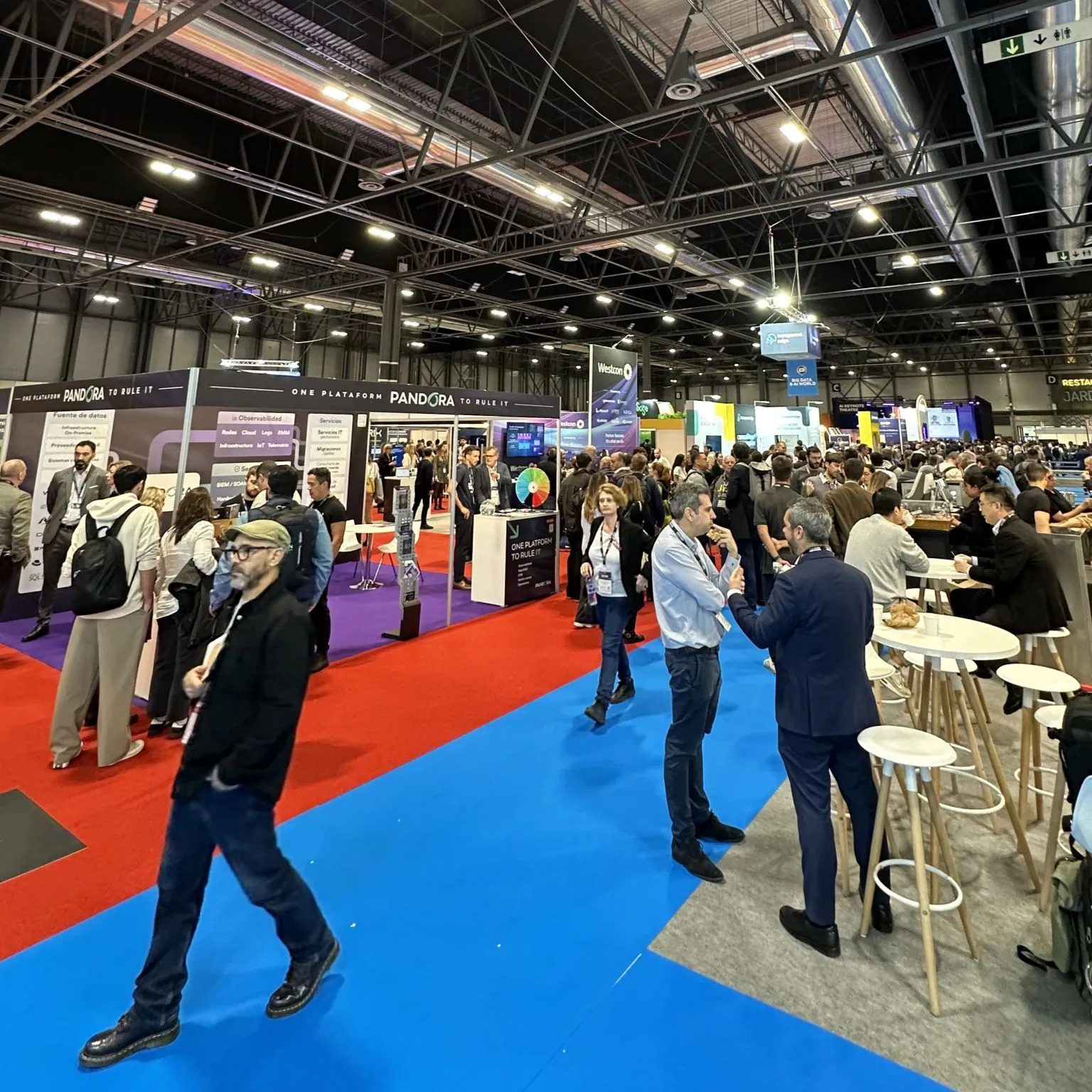
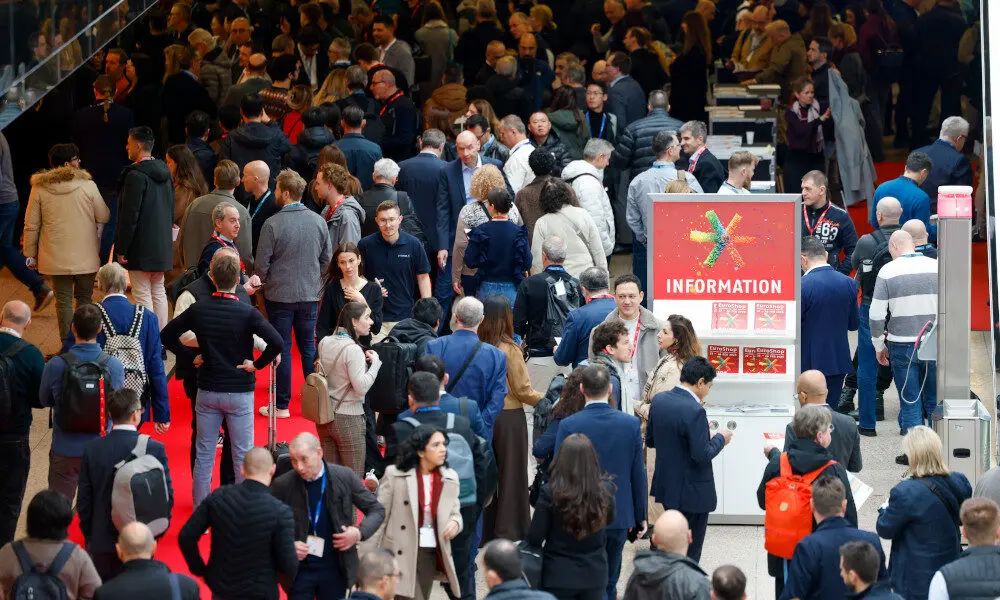
These are the trade shows and professional fairs, usually the most visible component of the sector. They bring together exhibitors showing their product or service and visitors who come to discover suppliers, compare options, and close deals. For a B2B company, a trade show is a unique concentration of potential clients. In just a few days, thousands of professionals with decision-making power pass through the venue, which makes it one of the most efficient lead-generation channels there is.
Why the MICE Sector Matters for Your Company
The value of MICE lies not only in its economic volume, which is considerable, but in the quality of the relationships it lets you build. A fifteen-minute face-to-face conversation moves things forward more than weeks of emails. And at an industry event, those conversations happen with people who already have an interest in your market.
There are three reasons MICE remains a central channel for B2B companies.
- It concentrates your market in one place. Instead of looking for clients one by one, you reach hundreds or thousands of professionals from your industry gathered over a few days.
- It accelerates trust. In-person contact creates a closeness that digital channels do not replicate. This shortens sales cycles, especially in complex deals.
- It gives commercial context. Meeting at a conference or trade show tells you a lot about a company’s priorities. Knowing which events a potential client attends is, in itself, a signal of opportunity.
Trends Transforming MICE
The sector has changed a great deal in recent years and continues to evolve. These are the dynamics shaping its direction most.
Hybrid formats. Many events combine physical presence with remote participation. This widens the reach, but it also forces companies to prepare their strategy for both planes.
Sustainability. The footprint of events is increasingly relevant. Venues, organizers, and exhibitors are working to reduce their impact, and this influences the choice of destinations and suppliers.
Data-driven personalization. Organizers use matchmaking tools to connect attendees and exhibitors based on their profiles. For a company, this means arriving prepared, knowing who it wants to see, makes the difference between a profitable event and a wasted one.
A more professional approach to return. Attending is no longer enough. Companies measure the pipeline and revenue each event generates to decide where to invest the following year.
A Quick MICE Glossary
MICE has its own vocabulary, and knowing it helps you move with ease when organizing or attending an event. These are the terms you will come across most often.
| Term | What it means |
|---|---|
| Hosted buyer | A professional buyer the organizer invites and schedules meetings for with selected exhibitors |
| PCO | Professional congress organizer, the company that designs and runs the event from start to finish |
| DMC | Local agency that coordinates logistics at the destination, from transport to activities |
| Convention bureau | A public or mixed office that promotes a city as a destination for congresses and events |
| RFP | Request for proposal that a company sends to venues or suppliers to compare options |
| Venue | The site where the event takes place, from a hotel to a congress center |
| Matchmaking | A system that connects attendees and exhibitors by profile to schedule meetings |
What Is the Difference Between MICE and Business Tourism
Business tourism covers any trip with a professional purpose, including individual travel. MICE refers specifically to the events and meetings that bring several professionals together around a common goal.
Is MICE the Same as Corporate Events
Not exactly. Corporate events are the ones a company organizes for itself. MICE is broader and also includes industry conferences, trade shows, and conventions open to an entire market.
How to Make the Most of MICE With a Data-Driven Approach
The challenge in the MICE sector is not a lack of events, but choosing the right ones and arriving prepared. Attending a conference or setting up a stand is a significant investment of time and budget, and the result depends almost entirely on the work done beforehand.
The biggest waste at these events is improvisation. Arriving without knowing which companies will be present, without having identified the attendees that match your ideal customer profile, and without scheduled meetings turns a great opportunity into a few days of wandering between stands. The catch is that obtaining and analyzing an event’s attendee list is not simple, and that is exactly where many companies fall short.
At DataOrigin we help companies solve precisely that. We maintain a directory of business events across multiple sectors and geographies, and our tools identify which attendees and exhibitors at each event match your ideal customer profile. So instead of discovering your potential clients on the first day of the show, you arrive with a prioritized list and the conversations that matter already lined up.
Explore our event directory to find the trade shows and conferences most relevant to your sector, or contact us to see how data-driven prospecting can transform your MICE event strategy.