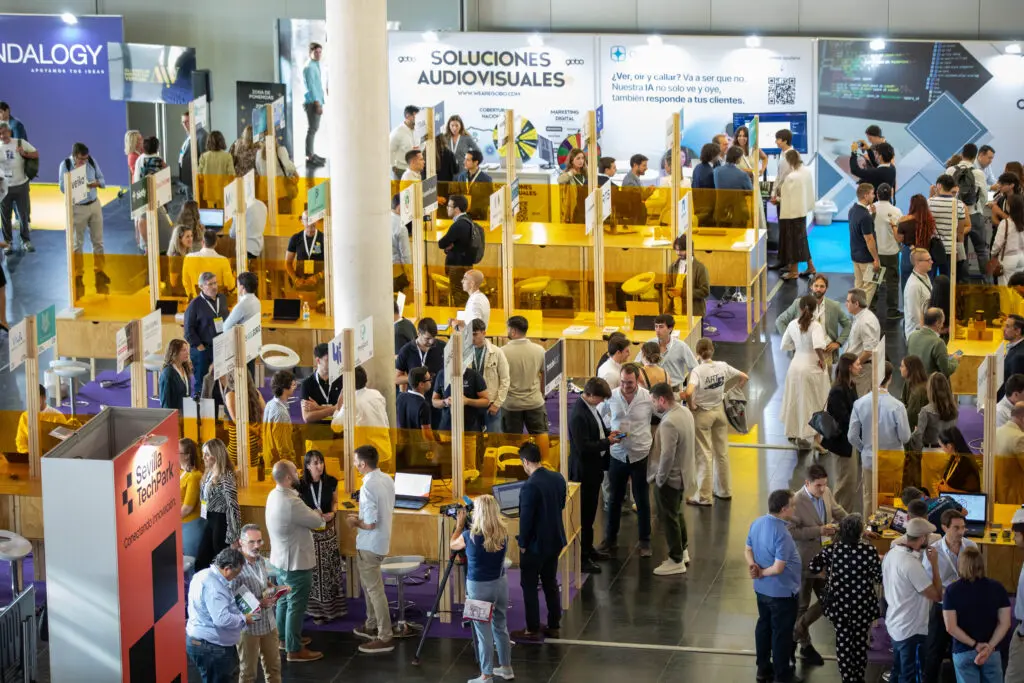
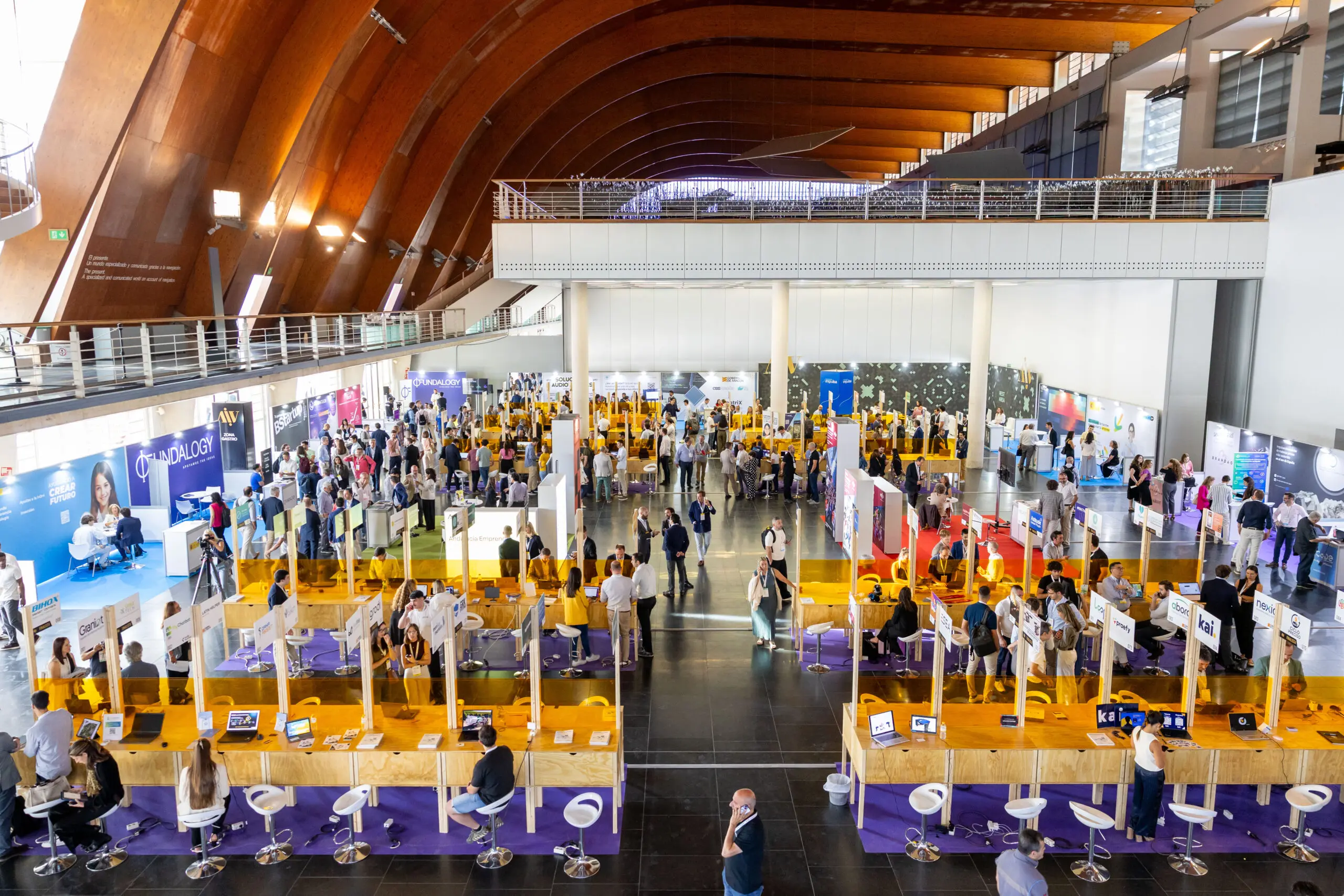
With thousands of trade shows, conferences, and business events happening every year, the hardest part is not deciding whether to attend. It is deciding which ones are worth your time and budget. A poorly chosen event wastes a week. The right one can generate a quarter’s worth of pipeline.
At DataOrigin, we maintain a directory of business events across multiple sectors and geographies. Our platform helps B2B companies not just find events, but identify which attendees and exhibitors at those events match their ideal customer profile. Here is what we have learned about how to approach business events strategically, organized by sector.
How to Evaluate Whether an Event Is Worth Attending
Before diving into specific sectors, here is a framework for evaluating any business event.
| Criteria | What to Look For | Red Flag |
|---|---|---|
| Attendee profile | Decision-makers in your target market | ”Open to public” events with no professional filtering |
| Exhibitor quality | Companies you would want as customers or partners | Same exhibitors every year with no growth |
| Event size | Large enough for variety, small enough for access | Either too small (under 50 exhibitors) or too large to navigate |
| Content program | Sessions relevant to your industry challenges | Generic keynotes with no sector depth |
| Networking tools | App-based meeting scheduling, matchmaking | No structured networking beyond “walk around” |
| Location and timing | Accessible, not conflicting with other major events | Difficult to reach or overlapping with a competitor event |
| Track record | Published data on previous editions | No transparency about event metrics |
Business Events by Sector
Every industry has its own event ecosystem with different dynamics. Here is what to expect and how to get the most out of events in each sector.
Technology and Digital
The technology sector has the highest concentration of B2B events globally. These events tend to be fast-paced, startup-friendly, and heavy on demos and pitching.
What works. Short, punchy demos. A clear 10-second pitch. Pre-scheduled meetings through the event app. Tech event attendees are browsing dozens of booths per day, so you have seconds to make an impression.
What to watch out for. Many tech events are very large, which makes it easy to get lost in the crowd. Focus your effort on pre-scheduled meetings rather than hoping for walk-up traffic.
Food, Agriculture, and Beverage
This sector has some of the largest trade shows in the world by exhibition space. Events tend to be more traditional, with longer conversations and relationship-driven networking.
What works. Product sampling drives booth traffic. Relationships are built over multiple editions. If you are entering this space, commit to attending the same events consistently for 2-3 years to establish credibility.
What to watch out for. These events are often enormous, so preparation is essential. Without a target list, you will spend most of your time walking between halls.
Energy, Sustainability, and Cleantech
One of the fastest-growing event categories. Events in this space attract significant government and institutional participation alongside private sector companies.
What works. Technical depth matters. Attendees are often engineers and technical decision-makers who want specifications, not marketing pitches. Come prepared with data sheets and technical documentation.
What to watch out for. Government and institutional buyers have long procurement cycles. Do not expect immediate deals. The goal is relationship building over multiple editions.
Tourism and Hospitality
Tourism trade shows are highly seasonal and tied to booking cycles. Timing your attendance correctly relative to the season is critical.
What works. Know whether the event is B2B, B2C, or hybrid. Many tourism fairs open to the public on certain days, which dilutes the professional networking quality. Attend on professional-only days and pre-schedule your meetings.
What to watch out for. The buyer-seller dynamic at tourism events is very structured. Many use hosted buyer programs where meeting schedules are set in advance. If you are not registered as a buyer or seller, you may miss the most valuable networking opportunities.
Defense and Security
Highly specialized events with restricted access. Government procurement cycles drive attendance patterns.
What works. Long pre-event preparation. Government procurement processes are slow, so the goal is relationship building over multiple editions, not immediate sales. Credibility and track record matter more than a flashy booth.
What to watch out for. Access is often restricted. Make sure you understand the registration requirements well in advance, as some events require government accreditation.
Real Estate, Construction, and Architecture
Events in this sector are experiencing a renaissance driven by proptech and sustainability mandates.
What works. Sustainability is now a central theme. If your product or service addresses energy efficiency, sustainable materials, or smart building technology, you will find a receptive audience. Demonstrations of technology in context (AR/VR, building simulations) draw strong interest.
What to watch out for. This sector is traditionally relationship-heavy. Cold introductions at booths are less effective than in tech. Invest in pre-event outreach and scheduled meetings.
Innovation, Startups, and Investment
Events specifically designed to connect startups with investors and corporate partners.
What works. Pitching skills matter enormously. Practice your pitch until it is effortless. Attend with a specific ask, whether that is funding, a pilot customer, or a distribution partner. Investors at these events see hundreds of pitches, so clarity and differentiation are everything.
What to watch out for. Not all startup events are created equal. Some attract genuine investors and corporate partners. Others are mostly attended by other startups and service providers. Research the attendee profile carefully before committing your budget.
How to Get the Most Out of Any Business Event
Regardless of sector, the fundamentals are the same.
Before the Event
- Research the attendee and exhibitor list. Use the event directory and tools like DataOrigin to identify which companies match your ideal customer profile.
- Pre-schedule meetings. Most events offer matchmaking tools. The best meeting slots fill up 2-3 weeks before the event.
- Set specific, measurable goals. Not “generate leads” but “book 15 qualified meetings” or “identify 5 potential partners.”
During the Event
- Split your time between your booth and the floor. The best conversations often happen outside your stand, in sessions, at lunch, or approaching a prospect at their booth.
- Take notes on every conversation. Context is what makes follow-up effective. Record what they asked, what interested them, and the next step you agreed on.
- Attend at least 2-3 sessions. Content tracks are where you meet attendees who care about specific topics, which is a better filter than random booth traffic.
After the Event
- Follow up within 48 hours. Every day you wait, conversion rates drop.
- Segment contacts by intent. Hot leads get a personal call. Warm leads get a case study email. Informational contacts go to the newsletter.
- Measure pipeline generated within 30 and 90 days. This is the metric that justifies the next event investment.
Finding the Right Events for Your Business
The challenge is not that business events do not work. It is that the wrong event can waste your investment. The right event, attended with preparation and a data-driven approach, consistently delivers the highest-quality leads in B2B sales.
At DataOrigin, we help companies navigate this landscape. Our event directory covers trade shows across technology, food, energy, tourism, defense, real estate, and more. Our prospecting tools help you identify which attendees and exhibitors at each event match your ideal customer profile, so you arrive prepared to have the conversations that matter.
Explore our event directory to find the trade shows most relevant to your sector, or get in touch to see how data-driven prospecting can transform your event strategy.