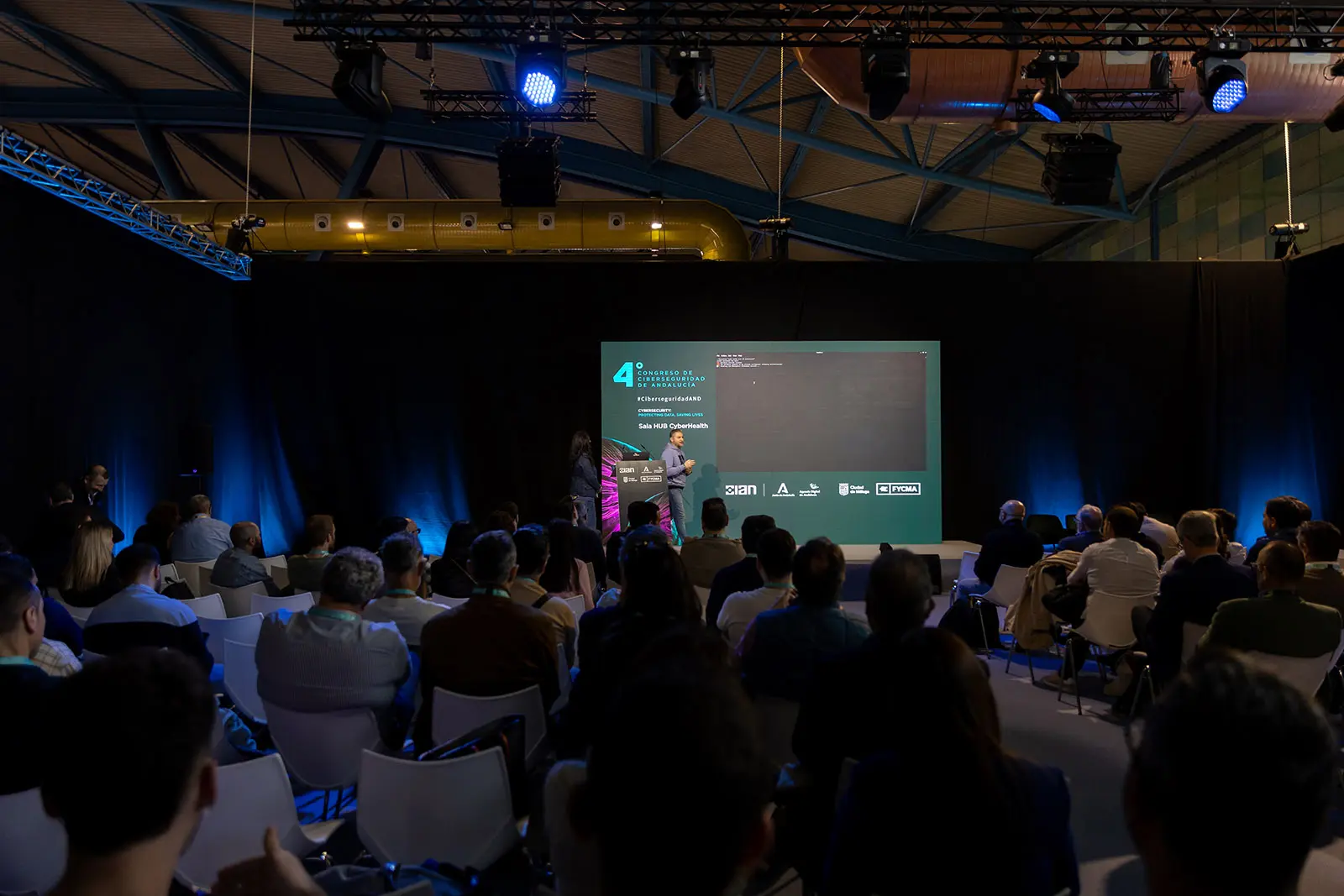
Cybersecurity is one of the sectors with the most active and growing event calendar. Regulatory pressure, rising threats, and every company’s digital dependence have turned the sector’s congresses into an essential meeting point for vendors, integrators, consultancies, and security leaders. For a company that sells in this space, an event concentrates decision-makers who are very hard to reach any other way in just a few days.
It is a technical, trust-based sector, where credibility and reputation weigh as much as the product. This guide goes over what types of events exist, who you will meet, and how to prepare your presence so it turns into opportunities.
The Best Cybersecurity Trade Shows in 2026
These are the sector’s upcoming dates, with the table refreshed daily from our platform.
| Trade show | Dates | City |
|---|---|---|
| Technology Show 2026 | 23–24 Nov 2026 | Valladolid |
Security Essen 2026
September 22 to 25. Germany’s reference fair for integral security, where cybersecurity meets physical and corporate security. An industrial, large-account buyer profile.
International Cyber Expo 2026, London
September 29 and 30, alongside International Security Expo. The British gathering of the sector, with CISOs and security leads from business and government.
The Polish Week, Warsaw
From September 22 to 24, Cybersecurity Warsaw, CYBER SECURITY Expo Poland, and Warsaw Tech Week coincide. Poland has become Central Europe’s cybersecurity hub, and that week concentrates its whole ecosystem.
E-Crime & Cybersecurity Switzerland 2026, Zurich
September 17. A one-day executive congress focused on cybercrime and compliance, with a Swiss financial and corporate audience hard to find at large fairs.
Technology Show 2026, Valladolid
November 23 and 24. The reference technology fair in Castile and León, with a cybersecurity area and an audience of Spanish SMEs and public administration.
The big absentee from this list is it-sa in Nuremberg, Europe’s largest fair in the sector, held every October and not yet covered on the blog.
What Types of Events Exist in the Sector
The cybersecurity ecosystem combines formats with different audiences.
- Technical congresses. Focused on research, threats, and new techniques. The audience is highly specialized and the conversation deeply technical.
- Solution and product fairs. Where vendors and integrators show their tools to security and systems leaders.
- Governance and compliance events. Geared toward regulation, risk, and management, with a more executive profile.
- Sector and regional events. Smaller but very useful for building close relationships with the business community of an area.
What Attendee Profile You Will Find
At these events you will run into security leaders, systems directors, analysts, compliance profiles, and, increasingly, general management, because security has become a business concern. It is an audience that values rigor and distrusts empty marketing.
The buying decision usually involves several areas, because a security solution affects systems, operations, and the risk of the whole organization. The person attending to you needs solid arguments to defend the decision internally.
What Works in This Sector
- Credibility is everything. In security, nobody buys from someone who does not convey solidity. Certifications, real cases, and demonstrable knowledge weigh more than any slogan.
- Talk about concrete risk, not generic fear. Framing the counterpart’s real problem and how you reduce it convinces more than an alarmist pitch.
- Technical depth matters. The audience knows the subject. Demonstrating mastery in the conversation is what opens the door to a pilot.
- Content positions you. Taking part in sessions or contributing knowledge places you as a reference, which is the best way to build trust in this sector.
What to Watch Out For
Trust is not earned in a single conversation. The realistic goal of an event is to get on the radar and open a relationship that matures over time, often through a proof of concept.
On top of that, the sector evolves very fast. Being up to date on threats and recent regulation positions you as a credible counterpart and avoids looking outdated to a demanding audience.
How to Prepare a Cybersecurity Event
Before you travel, it is worth knowing which companies will be there and which ones match your ideal customer profile, gathering that information with time to spare, since getting the attendee list is the most labor-intensive part, and arriving with scheduled meetings. Our trade show preparation checklist works as a step-by-step guide.
Find and Prioritize the Right Companies
The challenge in the cybersecurity sector is not a lack of events, but arriving at each one knowing which companies are worth seeing. Among hundreds of technical attendees, time slips away locating the few decision-makers that fit you.
At DataOrigin we solve that by identifying, for each event in the sector, which companies match your ideal customer profile by sector, size, and country. So you arrive with a prioritized list and spend the event days on the conversations that matter.
This guide is part of our series on business events by sector. Explore our event directory or contact us to see how to prepare your next cybersecurity congress with data on your side.