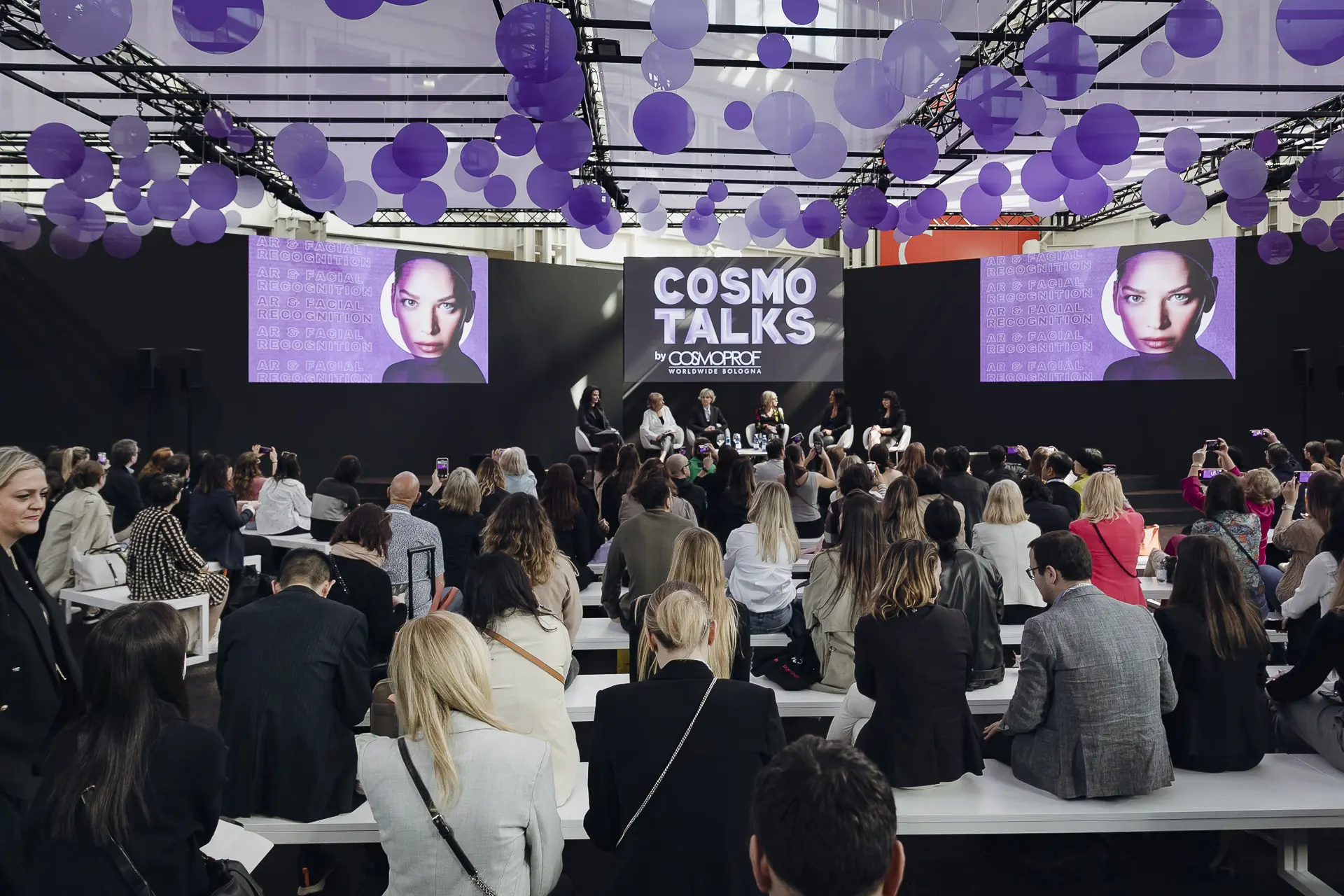
Cosmetics is a very visual, trend-driven sector, and its fairs are one of the most vibrant meeting points on the calendar. Beauty shows gather brands, manufacturers, distributors, retail, and the professional channel around product, image, and innovation. For a company that sells to the sector, an event concentrates buyers who are hard to gather any other way in just a few days.
It is a sector where brand image and trends rule, and where product testing and packaging carry enormous weight. This guide goes over what types of events exist, who you will meet, and how to prepare your presence so it turns into opportunities.
Upcoming Trade Shows in the Sector
The sector’s next dates, each linking to its guide. The table refreshes daily.
| Trade show | Dates | City |
|---|---|---|
| CCR 2026 | 1–2 Oct 2026 | London |
| Cosmetics-Beauty-Hair 2026 | 1–4 Oct 2026 | Bucharest |
| Professional Beauty 2026 | 4–5 Oct 2026 | London |
| Dentistry Show London 2026 | 9–10 Oct 2026 | London |
| Estetika 2026 | 10–12 Oct 2026 | Brussels |
| MCB by Beauté Sélection 2026 | 10–12 Oct 2026 | Paris |
| Pharmacy Show 2026 | 11–12 Oct 2026 | Birmingham |
| Cosmetic 360 2026 | 14–15 Oct 2026 | Paris |
| Beauty Forum Festival 2026 | 24–25 Oct 2026 | Munich |
| Fair Pedicure & Beauty 2026 | 24–25 Oct 2026 | Utrecht |
What Types of Events Exist in the Sector
The sector brings together different formats depending on the audience and the product.
- Large cosmetics and beauty fairs. The main showcase, with finished product, ingredients, and packaging under one roof.
- Professional cosmetics shows. Geared toward hairdressing, aesthetics, and the professional channel.
- Manufacturing and private label events. Focused on product development for third parties.
- Ingredient and packaging events. More industrial, where what later reaches the shelf is built.
What Attendee Profile You Will Find
At these events you will run into retail and perfumery procurement leads, distributors, brands, aesthetics channel professionals, and product managers. It is an audience attentive to image, novelty, and what will set next season’s trend.
Internationality and the sector’s pace set the rhythm. Buyers compare many options in little time and move by trends, so differentiation and presentation are almost everything.
What Works in This Sector
- Image and packaging sell. In cosmetics, presentation is part of the product. A well-cared-for stand and packaging generate more interest than any argument.
- Product testing hooks. Letting people try textures and finishes creates recall and conversation. Direct experience is very effective in this sector.
- Trend attracts. Arriving aligned with what the season sets, whether sustainability, ingredients, or formats, positions your brand as a reference.
- Private label opens doors. For manufacturers, offering product development for third parties multiplies business opportunities.
What to Watch Out For
These fairs are very busy and very visual, so standing out requires preparation. Without a list of target buyers, stand traffic fills with the curious and the contacts that matter can walk past.
On top of that, it is worth distinguishing the channel. The priorities of a retail buyer, a perfumery, and an aesthetics professional are very different, and adapting the message to each one makes the difference.
How to Prepare a Cosmetics Event
Before you travel, it is worth knowing which companies will be there and which ones match your ideal customer profile, gathering that information with time to spare, since getting the attendee list is the most labor-intensive part, and arriving with scheduled meetings. Our trade show preparation checklist works as a step-by-step guide.
Find and Prioritize the Right Companies
The challenge in the cosmetics sector is not a lack of events, but arriving at each one knowing which buyers and distributors are worth seeing. Among thousands of attendees, time slips away locating the few that genuinely fit you.
At DataOrigin we solve that by identifying, for each event in the sector, which companies match your ideal customer profile by sector, size, and country. So you arrive with a prioritized list and spend the show days on the conversations that matter.
This guide is part of our series on business events by sector. Explore our event directory or contact us to see how to prepare your next cosmetics and beauty fair with data on your side.