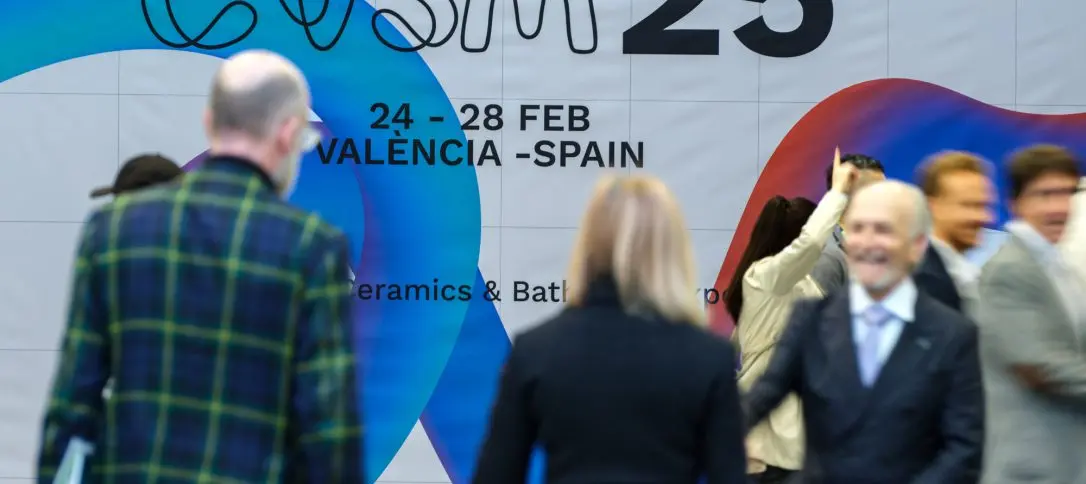
The ceramics sector has a very strong trade show culture, sustained by a powerful and highly international industry. Ceramics and tile fairs gather manufacturers, distributors, architects, and specifiers from around the world around product, design, and trends. For a company that sells to the sector, an event concentrates buyers who would be very hard to gather any other way in just a few days.
It is a sector where product and design rule, and where technical specification carries enormous weight in the decision. This guide goes over what types of events exist, who you will meet, and how to prepare your presence so it turns into opportunities.
Upcoming Trade Shows in the Sector
The sector’s next dates, each linking to its guide. The table refreshes daily.
| Trade show | Dates | City |
|---|---|---|
| Archistone 2026 | 10–13 Nov 2026 | Madrid |
| Funexpo 2026 | 18–20 Nov 2026 | Lyon |
What Types of Events Exist in the Sector
The sector brings together different formats depending on the audience and the product.
- Large ceramics and bath fairs. The main showcase, with manufacturers presenting collections to national and international buyers.
- Materials and construction fairs. Where ceramics share space with other materials and the audience comes from building.
- Design and interior events. More oriented toward specification, with architects and designers as protagonists.
- Ceramic machinery and technology fairs. Focused on the sector’s industrial processes.
What Attendee Profile You Will Find
At these events you will run into distributors, architects, interior designers, retail procurement leads, and technical specifiers. It is an audience that comes to see product, compare finishes, and spot next season’s trends.
Internationality is a hallmark of the sector. Many of the best contacts are buyers from other countries who attend to source product, which means preparing your communication for a diverse audience.
What Works in This Sector
- Well-displayed product is the best argument. Finishes, formats, and collections on view generate more interest than any pitch. Visual presentation is almost everything.
- Design and trend attract. Arriving with a proposal aligned with what the season sets positions your brand as a reference.
- Specification is key. Convincing the architect or interior designer who specifies opens the door to many projects at once.
- Prepare for the international buyer. Materials and arguments adapted to several markets make the difference with visitors from abroad.
What to Watch Out For
These fairs are very visual and very busy, so standing out requires preparation. Without a list of target buyers, stand traffic fills with the curious and the contacts that matter can walk past.
On top of that, the sector is relationship-driven. Relationships consolidate by attending the same events for several years, so it is worth planning a sustained presence rather than a one-off appearance.
How to Prepare a Ceramics Event
Before you travel, it is worth knowing which companies will be there and which ones match your ideal customer profile, gathering that information with time to spare, since getting the attendee list is the most labor-intensive part, and arriving with scheduled meetings. Our trade show preparation checklist works as a step-by-step guide.
Find and Prioritize the Right Companies
The challenge in the ceramics sector is not a lack of events, but arriving at each one knowing which buyers and specifiers are worth seeing. Among thousands of international attendees, time slips away locating the few that genuinely fit you.
At DataOrigin we solve that by identifying, for each event in the sector, which companies match your ideal customer profile by sector, size, and country. So you arrive with a prioritized list and spend the show days on the conversations that matter.
This guide is part of our series on business events by sector. Explore our event directory or contact us to see how to prepare your next ceramics sector fair with data on your side.