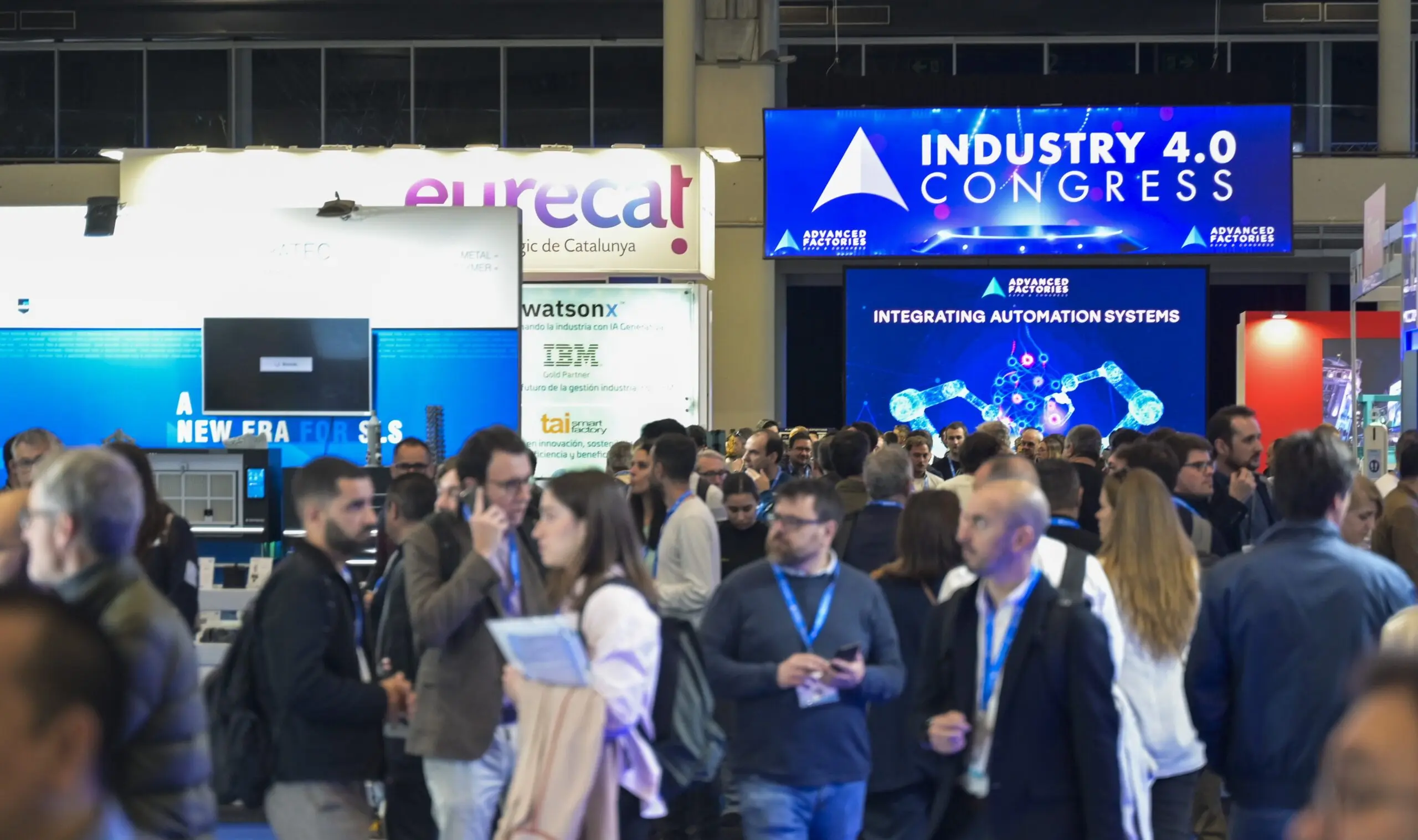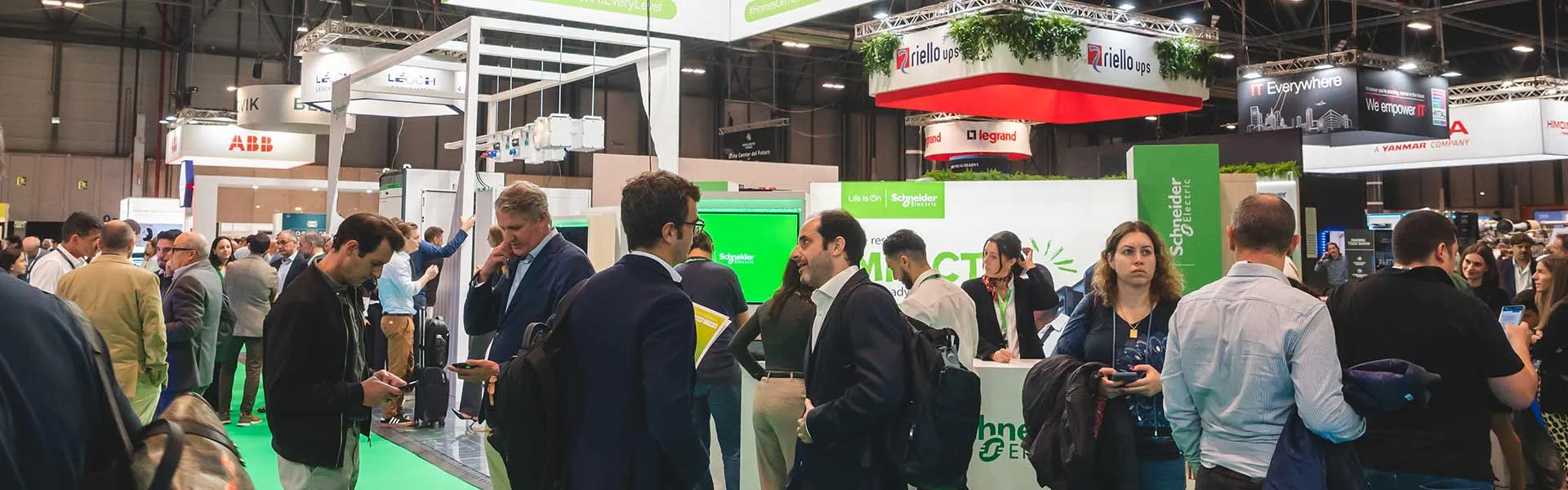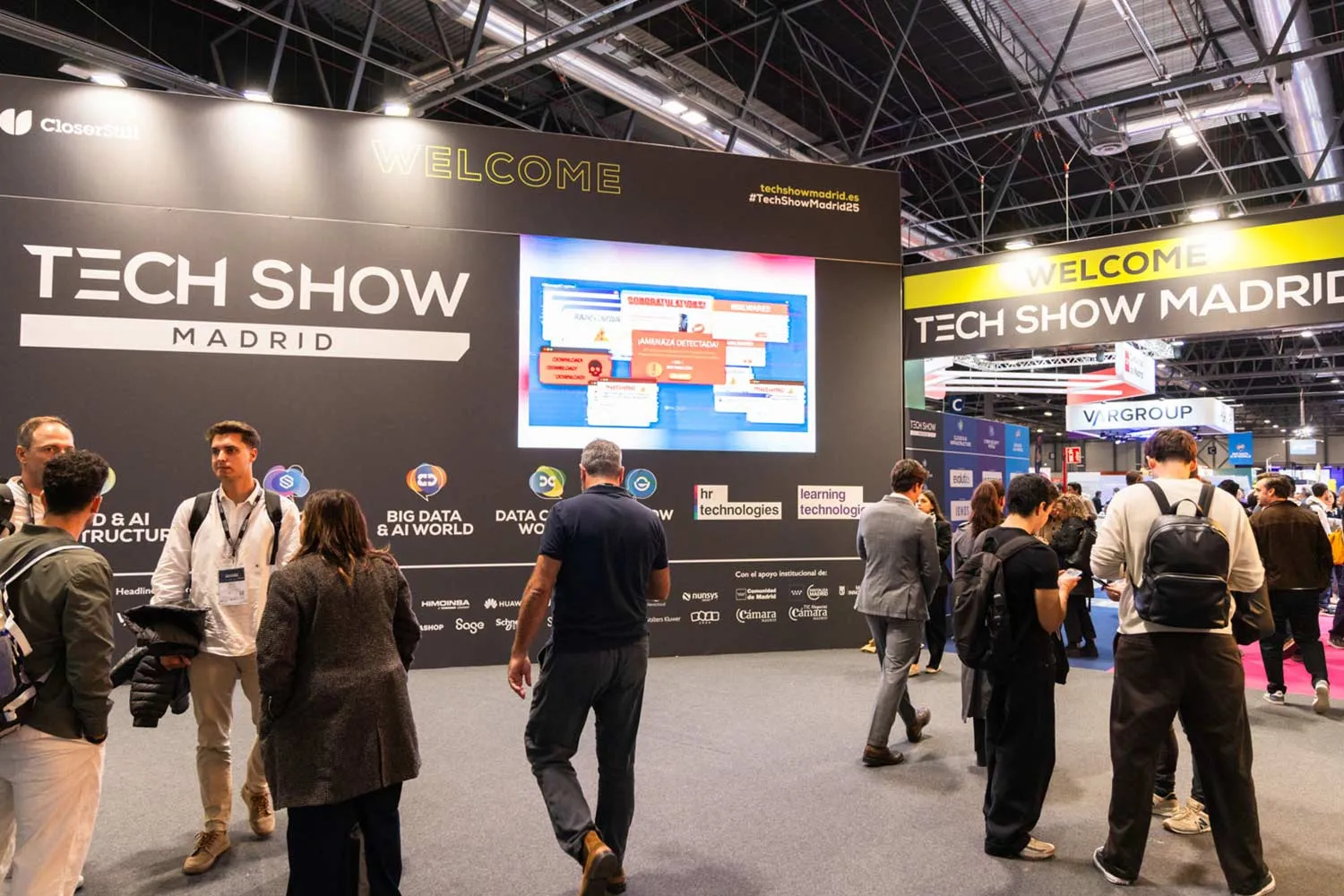
Trade shows are one of the most effective channels for B2B lead generation. The reason is straightforward. They put you in the same room as hundreds of potential customers who have chosen to be there because they are actively looking for solutions, partners, or ideas.
But generating leads at a trade show is not the same as generating good leads. Most companies leave events with a stack of scanned badges and no clear path from “we met at a fair” to “let’s do business.” The gap between collecting contacts and generating real pipeline is where most event ROI gets lost.
At DataOrigin, we build tools that help B2B teams generate better leads at trade shows by automating the research, enrichment, and scoring phases of event prospecting. Here is the framework we recommend.
What Makes Trade Show Leads Different
Trade show leads are fundamentally different from leads generated through digital channels, and that difference matters for how you handle them.
Higher intent. Someone who traveled to an event, registered, and walked the floor has demonstrated more interest than someone who clicked an ad. They are in buying mode, research mode, or both.
Richer context. When you meet someone at a trade show, you get context that no form fill can provide. You see their reactions, you hear their specific challenges, and you can adapt your message in real time.
Shorter shelf life. The flip side is that trade show leads go cold faster than digital leads. If you met someone on Tuesday and do not follow up until the following week, the conversation is already fading from memory. Speed matters.
Harder to scale. You can run a digital campaign to 10,000 people. At a trade show, your team can have maybe 50-80 meaningful conversations across a 3-day event. Every conversation has to count.
These characteristics mean that the traditional approach of “scan as many badges as possible” optimizes for the wrong thing. Volume does not matter if you cannot convert those contacts into meetings and pipeline.
Before the Event: Identify Your Targets
The most important step in trade show lead generation happens before you arrive. It is identifying who you want to meet and why.
Define Your Ideal Customer Profile
If you do not know what a good lead looks like, you will not recognize one when they walk up to your booth. Before any event, be clear about the characteristics that make a company a good fit for your product.
The dimensions that typically matter in B2B are industry or sector, company size by employee count or revenue, geographic location, the specific problem your product solves, and the role or seniority of the person you need to reach.
At DataOrigin, our scoring system weights these factors to rank every prospect at an event by relevance. But even without a tool, writing down your ICP criteria on a single page and sharing it with your team is a significant upgrade over “anyone who seems interested.”
Build a Target List
Two weeks before the event, build a list of the companies you want to meet. Start with the exhibitor and attendee directory. Then research each company to understand what they do, whether they fit your ICP, and who the right person to talk to might be.
This is where the process gets time-consuming if done manually. For 200 exhibitors, manual research takes days. Tools like DataOrigin automate this by extracting company data from event websites and enriching each profile with sector, size, location, web presence, and contact information. The output is a scored list with your best-fit prospects at the top.
The value of a target list is that it transforms your event from reactive to proactive. Instead of waiting for people to visit your booth, you know exactly who to seek out on the floor.
Pre-Schedule Meetings
Once you have your target list, reach out to your top 20-30 prospects before the event. A simple message works. Something like “we will be at the event next week, and I think there could be an interesting fit between our companies. Would you have 15 minutes for a quick conversation at your booth or ours?”
Even if only a third respond, you start the event with 7-10 confirmed meetings. That alone can make the difference between a productive event and a disappointing one.
During the Event: Qualify and Capture
Qualify Early in the Conversation
Not every visitor to your booth is a lead. And not every lead is qualified. The faster you can determine whether someone is a genuine prospect or just browsing, the better you can allocate your team’s limited time.
Good qualifying questions for trade show conversations include asking what brought them to the event, what challenges they are currently trying to solve, whether they have a timeline for addressing those challenges, and who else in their organization is involved in the decision.
You are not interrogating them. You are having a conversation that naturally surfaces whether there is a fit. If there is, go deeper. If there is not, be polite, exchange details, and move on to the next conversation.
Capture Context, Not Just Contact Data
The most common mistake in trade show lead generation is treating badge scanning as the end of the process. A scanned badge gives you a name and an email. That is not enough to do anything useful with.
For every qualified conversation, record the context. What problem did they mention? What part of your product interested them? What is their timeline? Did they mention competitors? What was the agreed next step?
This context is what turns a name on a list into an actionable lead. When your team follows up, they can reference the specific conversation instead of sending a generic email.
Do Not Spend All Your Time at the Booth
Some of the best leads at a trade show will never visit your booth. They are at their own booth, in a session audience, at lunch, or networking in the corridor. If your entire team stays behind the booth counter, you miss these opportunities.
Split your team. Keep at least one person at the booth for walk-up visitors. Send others to roam the floor, visit target prospects at their booths, and attend sessions where your ideal customers are likely to be in the audience.
Approaching someone at their booth and saying “I saw your company in the exhibitor directory and thought there might be an interesting fit” is a perfectly natural way to start a conversation at a trade show. Most people are happy to talk. That is why they are there.
After the Event: Convert Leads into Pipeline
Follow Up Within 48 Hours
This point appears in almost every article about trade shows because it is the most consistently violated best practice in event marketing. The majority of trade show leads never receive any follow-up at all.
Within 48 hours of the event ending, every qualified contact should receive a personalized follow-up. Not a template. A message that references your specific conversation, acknowledges their situation, and proposes a clear next step.
“It was great meeting you at the event. You mentioned you are looking for a way to identify potential customers before attending events in Q3. I would love to show you how we solve exactly that. Would Thursday at 10am work for a 20-minute demo?”
That email gets responses. “Great meeting you at the event, here is our brochure!” does not.
Segment by Intent
Not all leads deserve the same follow-up effort. Segment the contacts you collected based on the context your team captured.
Ready to buy. They have a clear need, budget, and timeline. Follow up with a personal call or meeting within 48 hours. These are your highest-priority leads.
Interested but early stage. They liked what they saw but are not ready to make a decision. Send a relevant case study, check in again in 2-3 weeks, and keep them warm.
Information gatherers. They stopped by, asked questions, but are not in active buying mode. Add them to your newsletter and plan to re-engage before the next relevant event.
Wrong fit but good connection. Not a customer, but potentially a partner, referrer, or collaborator. Handle separately from your sales pipeline.
Enter Everything into Your CRM
Every qualified lead from the event should be in your CRM within 48 hours, with the context your team captured attached. If your leads live in a spreadsheet, a notebook, or a pile of business cards on someone’s desk, they will not get followed up consistently.
The CRM entry should include the contact’s name, company, role, the event where you met, what you discussed, their level of interest, and the agreed next step. This makes it easy for the salesperson who follows up to continue the conversation naturally.
Measuring Lead Generation Results
The metric that matters is not “leads collected.” It is pipeline generated and deals closed that can be traced back to the event.
Track these numbers at 30, 60, and 90 days after the event.
- How many qualified leads were added to CRM?
- How many of those converted to opportunities in your sales pipeline?
- What is the total pipeline value generated?
- How many deals closed?
- What was your cost per qualified lead compared to other channels?
This data tells you whether the event was a good investment and helps you decide where to allocate your event budget next.
The Compound Effect
Trade show lead generation gets better over time. Your first event with a new approach will produce noticeably better results than the old “scan and hope” method. Your second event at the same show will be even better, because you have relationships from the first edition, data about what worked, and a refined approach.
The companies that generate the most leads from trade shows are the ones that treat it as a repeatable process. Same preparation steps, same qualification criteria, same follow-up system, same measurement framework. Each event builds on the last.
At DataOrigin, we automate the data-intensive parts of this process. Identifying who is attending, enriching company profiles, and scoring prospects by ICP fit. So your team can focus on the part that only humans can do well. Having conversations that build trust and close deals.
Ready to generate better leads at your next event? Get in touch to see how data-driven prospecting transforms trade show results.