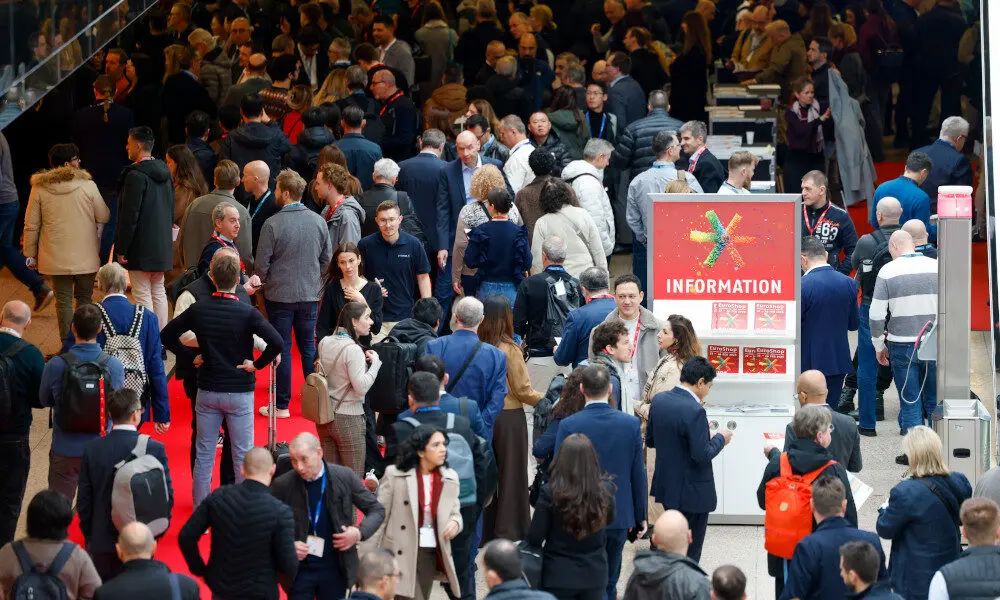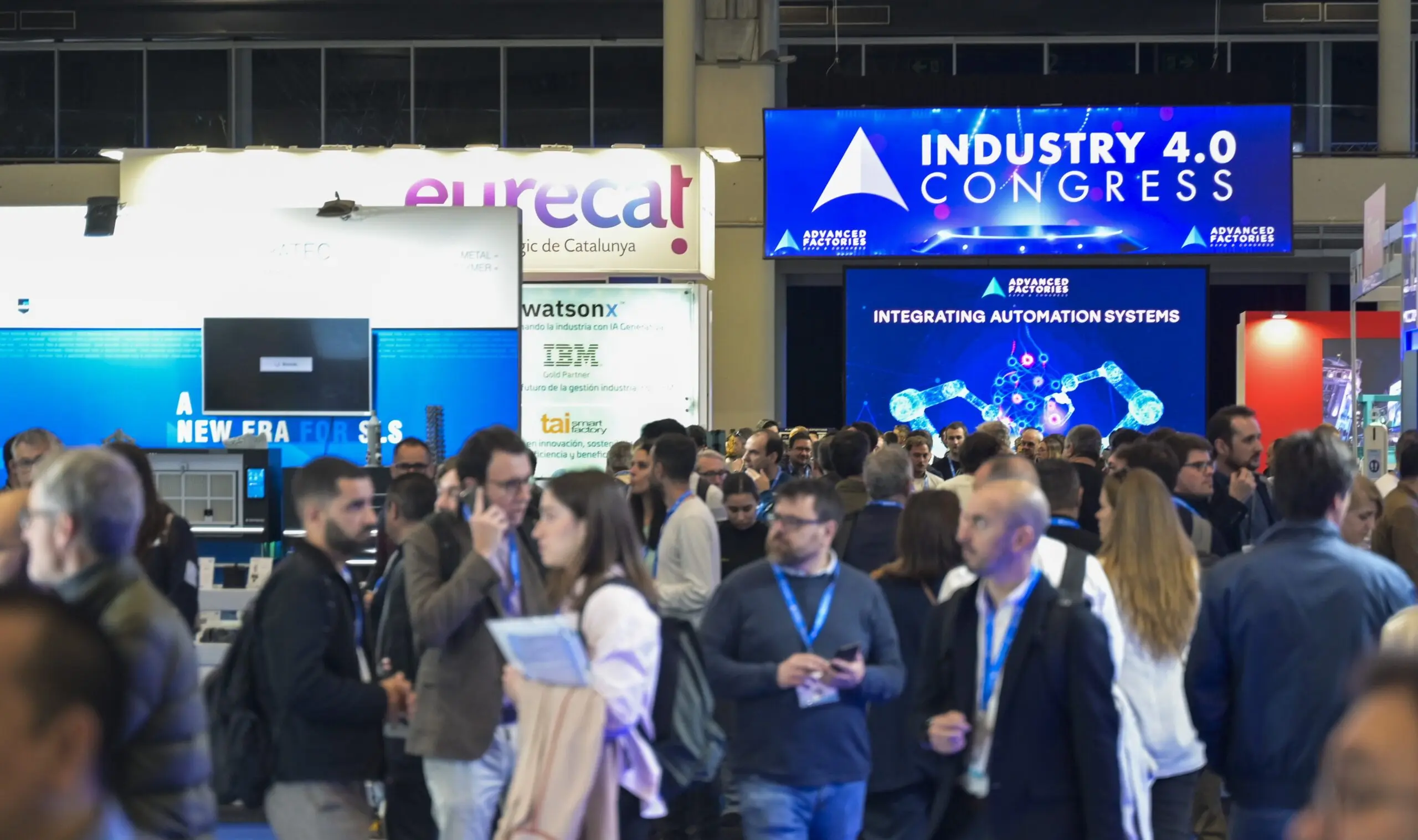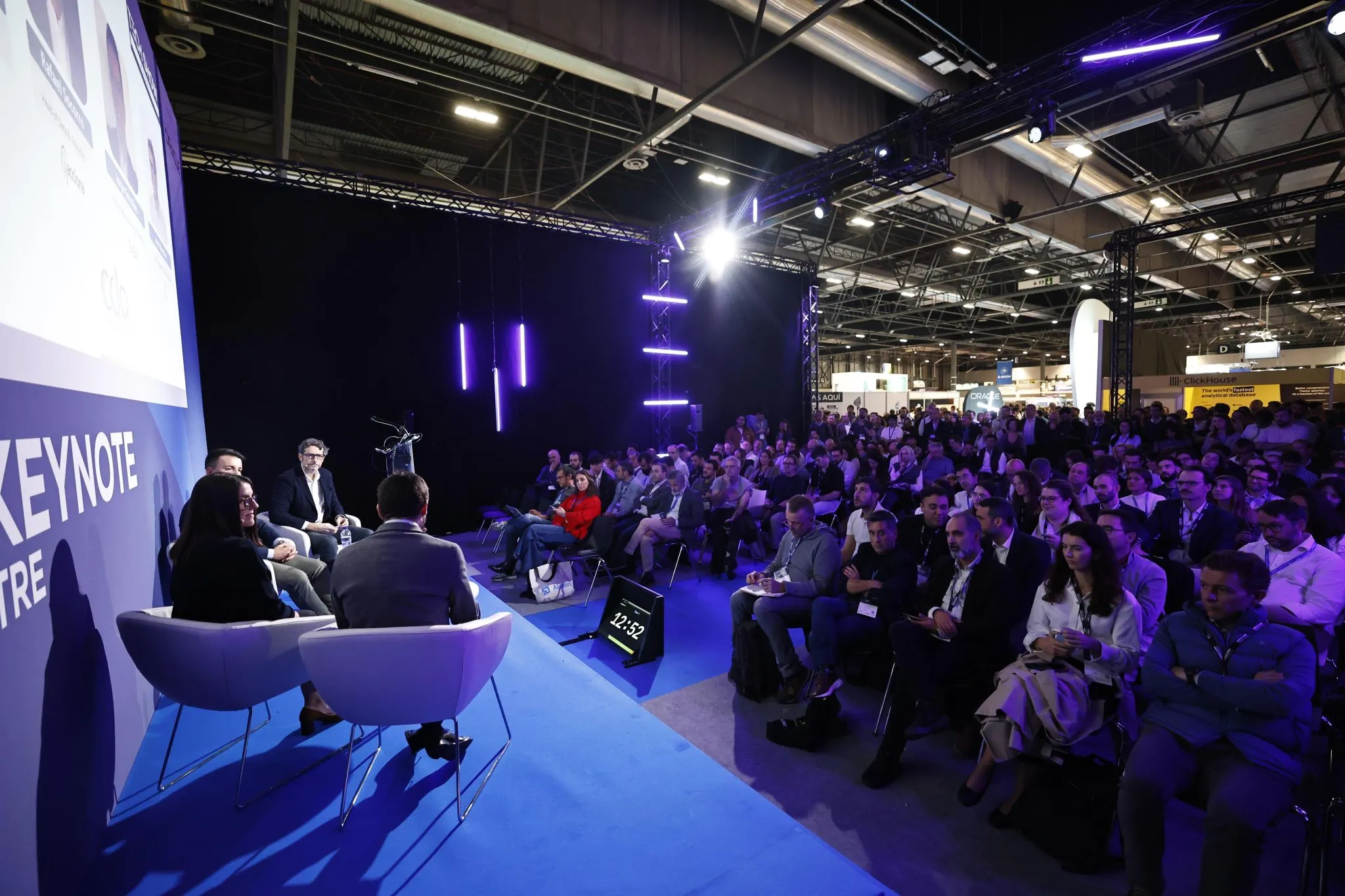
In a world where you can reach any prospect through email, LinkedIn, or paid ads, why do B2B companies still spend thousands of euros on trade show booths, travel, and event logistics?
The short answer is that trade shows, when done right, produce higher-quality leads at a lower cost per qualified meeting than most digital channels. The longer answer involves understanding what makes event-sourced leads different and how to measure event ROI properly.
At DataOrigin, we help B2B sales teams prepare for trade shows with data-driven prospecting. Here is what we have learned about why events still matter and how the companies getting the best results think about event ROI.
The Case for Trade Shows in a Digital World
Face-to-Face Still Converts Better
Digital prospecting is efficient at scale, but it has a ceiling. Email response rates for cold outreach sit in the low single digits. LinkedIn connection acceptance rates have been declining for years. The amount of noise in digital channels keeps growing.
Trade shows bypass this noise. When you meet a prospect in person, you get something that no digital channel can provide: their undivided attention for a meaningful amount of time. A 10-minute conversation at a trade show creates a stronger foundation for a business relationship than months of digital touchpoints.
This is not nostalgia. It is a practical observation about how trust works in B2B sales. People buy from people they have met, spoken with, and feel they can trust. Trade shows accelerate that process dramatically.
The Concentration of Decision-Makers
The attendee profile at most B2B trade shows skews heavily toward decision-makers and influencers. These are people who have chosen to invest their time traveling to an event because they are actively looking for solutions, partners, or information.
Compare this to digital prospecting, where you are interrupting people who may or may not have any interest in what you sell. At a trade show, the intent is already there. The question is not “are they interested?” but “are they the right fit?”
Compressed Sales Cycles
A trade show compresses what normally takes weeks of back-and-forth into a single afternoon. You can identify a prospect, have an initial conversation, deliver a live demo, address objections, and schedule a follow-up meeting. All without waiting for email replies or trying to find a time that works across calendars and time zones.
For B2B companies with long sales cycles, this compression alone justifies the investment.
How to Calculate Trade Show ROI
Most companies measure event success by the number of leads collected. This is the wrong metric. It tells you about volume but nothing about value.
A better approach measures ROI at three levels.
Level 1: Immediate Metrics (During and Right After the Event)
| Metric | What It Tells You |
|---|---|
| Meetings completed | How productive was your time at the event? |
| Qualified contacts added to CRM | How many real prospects did you identify? |
| Demos delivered | How much interest did your product generate? |
| Follow-up meetings scheduled | How many next steps were agreed? |
These are activity metrics. They tell you whether you used your time well at the event.
Level 2: Pipeline Metrics (30-60 Days After)
| Metric | What It Tells You |
|---|---|
| Pipeline generated (EUR) | How much potential revenue came from the event? |
| Opportunities created | How many prospects entered your sales process? |
| Average deal size of event-sourced leads | Are event leads higher value than other channels? |
| Cost per qualified lead | How does event cost compare to digital acquisition? |
These are the metrics that matter for budgeting. If an event generated EUR 500K in pipeline from a EUR 15K investment, you have a clear picture of the return.
Level 3: Revenue Metrics (90-180 Days After)
| Metric | What It Tells You |
|---|---|
| Closed deals from event contacts | How much actual revenue came from the event? |
| Win rate of event-sourced leads vs. other channels | Are event leads easier to close? |
| Average sales cycle length for event leads | Does meeting in person shorten the sales process? |
| Customer lifetime value of event-sourced customers | Do event customers stay longer and spend more? |
This is the true ROI. And this is where trade shows consistently outperform. Event-sourced leads tend to close at higher rates, with larger deal sizes, and produce customers with higher lifetime value. The reason is simple. The relationship started with a personal interaction, not a cold email.
What Drives Trade Show ROI
Not all event participation produces good results. The companies that see the best ROI share a few practices.
They Prepare Before the Event
The biggest predictor of event ROI is not booth size or location. It is preparation. Companies that arrive with a researched target list of prospects consistently outperform those that rely on walk-up traffic.
This means investing time before the event in identifying who will be there, scoring them against your ideal customer profile, and planning which conversations to prioritize. Tools like DataOrigin automate this research, turning what used to be days of manual work into minutes.
They Measure Pipeline, Not Leads
Counting badge scans is easy but meaningless. The companies with the best event ROI track pipeline generated and deals closed, not the number of business cards collected. This changes behavior at the event itself, because the team focuses on having fewer, better conversations rather than scanning as many badges as possible.
They Follow Up Fast
The single biggest leak in trade show ROI is slow follow-up. Most leads go cold within a week of the event. The companies that see the best results send personalized follow-ups within 48 hours, while the conversation is still fresh in both parties’ minds.
They Attend Consistently
Event ROI compounds over time. The first edition of any event tends to produce the weakest results because you are still learning the dynamics, the attendee profile, and the best strategies. By the second or third edition, you have relationships, you have a reputation, and you have data from previous years to guide your preparation.
Companies that attend an event once and declare “it did not work” are often measuring too early and too narrowly.
When Trade Shows Do Not Work
To be fair, trade shows are not the right channel for every company or every situation.
If your product has a very short sales cycle and low deal value, the cost of event participation may not justify the return. Digital channels are more cost-effective for high-volume, low-touch sales.
If you attend without preparation, you will get mediocre results regardless of how good the event is. An unprepared team at an excellent event will underperform a well-prepared team at an average event.
If you do not follow up, the entire investment is wasted. A box of business cards sitting on a desk is worth exactly zero.
The problem is rarely the event itself. It is usually the execution around it.
Our Perspective
At DataOrigin, we built our platform because we saw the gap between the potential of trade shows and the way most companies actually approach them. The potential is enormous. The execution is often manual, inconsistent, and reactive.
We help companies close that gap by automating the data-heavy parts of event prospecting. Identifying who is attending, enriching their profiles with company data, scoring them against your ICP, and providing a prioritized target list before you arrive.
The result is that every trade show becomes more productive. Not because the events change, but because the preparation does.
If trade shows are part of your sales strategy, the question is not whether to attend. It is how to make every event count. Get in touch to see how data-driven prospecting can transform your event ROI.